Article | Intelligent Investment
The 30-Year Ground Lease: How Bangkok Landowners Are Unlocking Value Without Giving Up Title
August 27, 2026
When a site is underused, most landowners default to one of two options: sell it or sit on it. But neither may be right for land that's been in a family for generations—a sale gives up the asset permanently, and sitting on it means paying rising Land and Building Tax on an asset producing no income.
A 30-year ground lease is the option in between, and it's why we're seeing more of them structured across Bangkok. It's a structure institutional developers already use, precisely because it balances long-term wealth preservation for landowners with effective capital performance for developers.
The Economics of Long-Term Tenure
The clearest advantage of a 30-year ground lease is that title to the property stays with the landowner’s estate. In prime locations, land appreciates substantially over multi-decade horizons. While an outright sale offers immediate liquidity, it permanently forfeits future capital appreciation. A long-term lease generates consistent contractual cash flow while guaranteeing that both the land and all structural improvements revert entirely to the landowner at expiry.
The financial mechanics also help insulate landowners from macroeconomic volatility. A well-structured ground lease uses a transparent rent schedule with pre-negotiated escalation clauses—typically 10% to 15% every three to five years. This framework provides landowners with a highly predictable, inflation-hedged revenue stream.
Simultaneously, the structure shifts operational and statutory burdens to the lessee. Developing large-scale commercial assets like Grade A office towers, hospitality developments or retail hubs demands massive capital expenditure and exposes owners to construction, leasing and property management risks. Under a ground lease, the developer takes on that execution risk, while the landowner's role is asset oversight and collecting stable returns.
Under current statutory frameworks regarding Land and Building Taxes, vacant or underutilized land is subject to progressive tax rates that increase every three years. Transitioning an asset into a long-term lease converts a tax liability into a revenue-generating vehicle. Standard institutional ground leases are structured so that the lessee assumes full responsibility for all property-related taxes throughout the duration of the lease.
Why 30 Years?
Why has 30 years emerged as the specific baseline for long-term land transactions? From a developer’s perspective, a 30-year tenure represents the minimum operational horizon required to justify substantial capital outlay and achieve an acceptable payback period.
Legally, 30 years is also the maximum registrable lease term under Thai land law, allowing developers to leverage leasehold rights as collateral for project financing. By aligning with this legal and financial threshold, landowners position their assets to attract institutional developers, multinational corporations and blue-chip conglomerates, which reduces counterparty default risk.
This dynamic was recently demonstrated in Bangkok's prime Lumphini sub-district, where a landmark 30-year ground lease transaction secured a total financial package of THB 3.3 billion through a combination of an upfront premium and structured rental payments. The site's freehold market value was appraised at THB 2.2 billion. Through comprehensive due diligence, strategic commercial negotiation and detailed financial modeling, we helped unlock an additional 50% in total financial value above an outright sale, while fully preserving the landowner's title.
Getting there, though, depends on execution, not just signing a lease.
The Risks of Poor Execution
While ground leases can create long-term value, poorly structured agreements expose landowners to real risk. In our capital markets work, we routinely see transactions run into trouble on two recurring issues.
The first is inflation risk: rental increases fixed at low levels don't keep pace with inflation, and the real value of that income erodes over the life of the lease. The second is restrictive lease terms—provisions drafted too rigidly that leave the landowner with little flexibility if problems arise or the arrangement stops working in their favor.
Protecting Your Long-Term Interests
To avoid these risks, establishing disciplined governance and working with experienced advisors is essential. Key safeguards include:
- Designing rental review mechanisms backed by detailed financial feasibility analyses to preserve the value of rental income over the long term.
- Conducting thorough financial and operational reviews of the tenant profile to ensure tenants have the capability and stability to meet their obligations throughout the lease term.
- Developing balanced commercial terms with appropriate upfront and rental payments, supported by well-structured legal agreements drafted alongside the landowner’s solicitor to reduce the risk of future disputes while protecting the landowner’s long-term interests.
A 30-year ground lease is ultimately a generational decision. When backed by precise market intelligence, financial rigor and disciplined governance, it transforms complex commercial real estate into secure, long-term wealth—preserving family legacy while maximizing modern asset performance.
The article is written by Barnaby Swainson, Head of Capital Markets, and Kriangsak Santipojana, Associate Director of Capital Markets at CBRE Thailand.
Disclaimer: At CBRE, we believe in the power of human expertise. While we may use generative AI tools to assist with editorial flow and drafting, the insights, original ideas and perspective shared within our Perspectives series are exclusively proprietary to CBRE. Every article is built on original ideas from our experts and undergoes a comprehensive human review to ensure data integrity and technical accuracy. The content herein does not constitute professional advice and should not be relied upon as such.
Contact

Latest Insights
-
Article | Intelligent Investment
Beyond the Sandbags: Flood Resilience & Facilities Management in Thailand
October 12, 2026
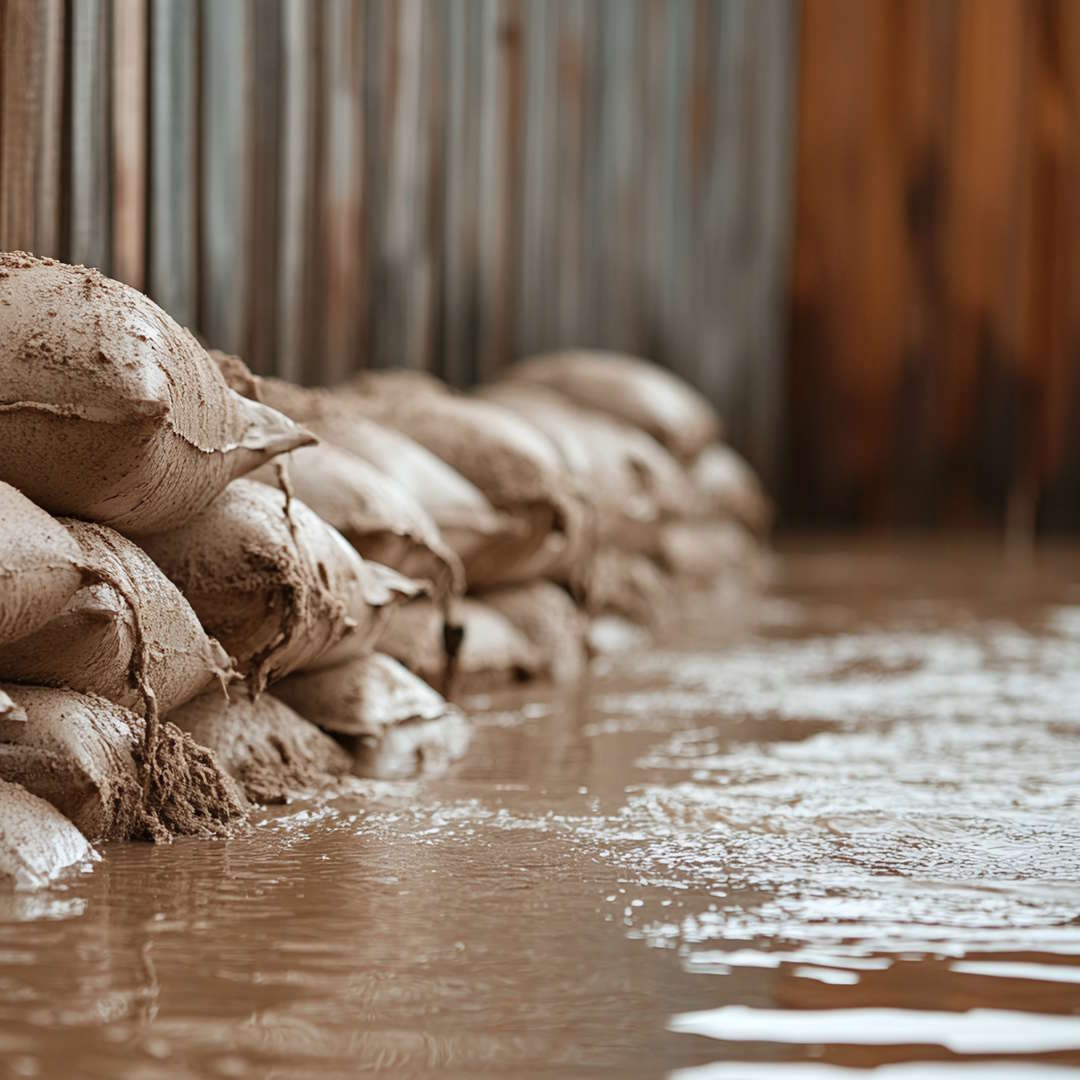
Learn how facilities management in Thailand strengthens flood resilience, reduces downtime, protects critical assets and supports business continuity planning.
-
Article | Intelligent Investment
CBRE Phuket: Property Research, Consulting and Residential Sales
October 1, 2026
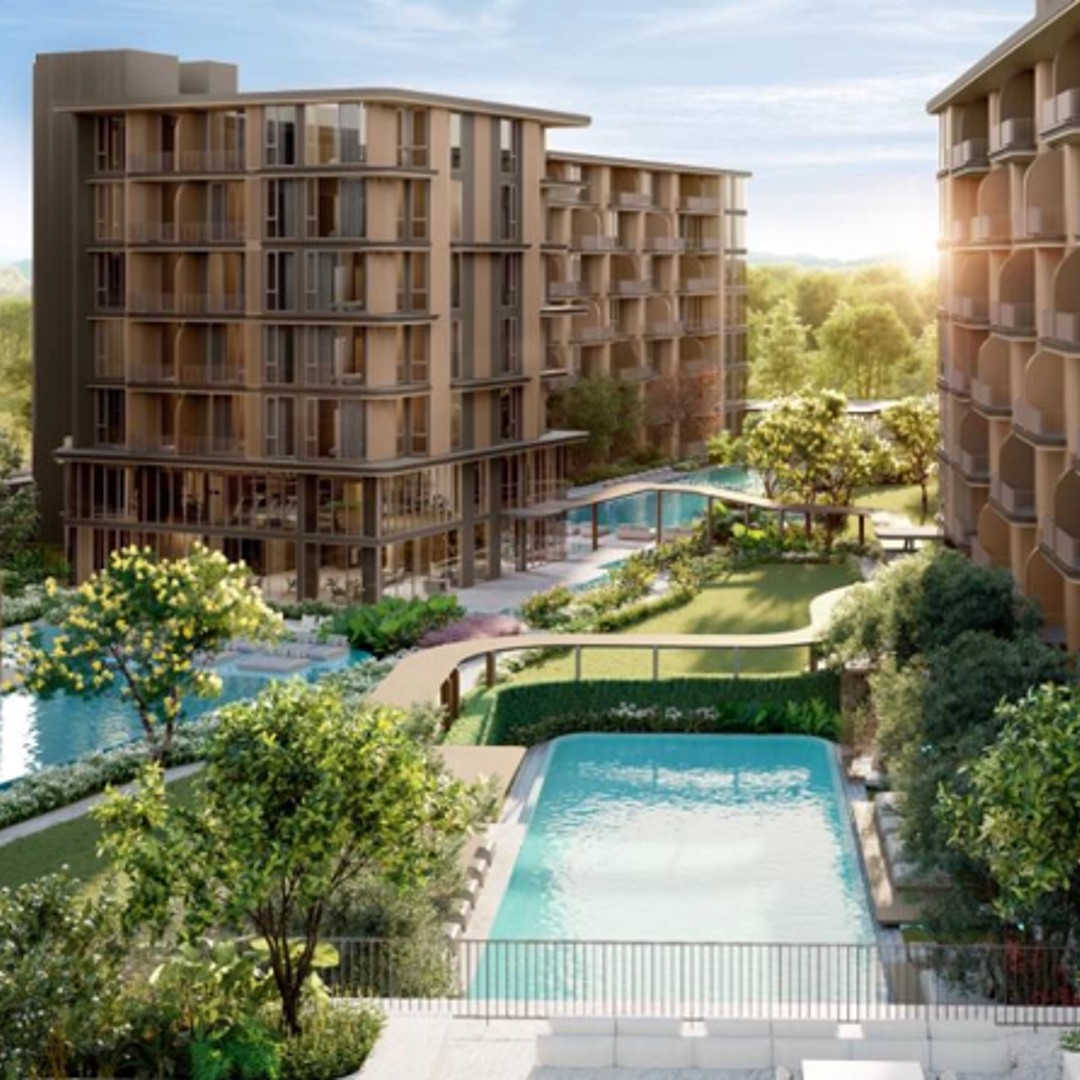
Explore the Phuket property market with CBRE's research, consulting and residential sales expertise. Gain insights for Phuket real estate investment and Phuket luxury real estate opportunities.
-
Article | Intelligent Investment
Sport Is No Longer Just an Amenity in Bangkok Real Estate
September 28, 2026

The growth of sport and active lifestyle in Thailand has been well documented in consumer trend reports over the past several years. What has received less attention is how consistently that trend is now showing up in real estate decisions across Bangkok.