Article | Intelligent Investment
Phuket's Evolution: From Holiday Destination to Permanent Home
August 19, 2026

Phuket today is very different from five or ten years ago. While tourism is still a major part of the island, we are seeing much longer stays and more permanent living. In my daily conversations with clients and developers, it is obvious that the island is becoming a primary residence for a global community.
Over time, the market has started to serve two purposes. It continues to attract visitors, but it is increasingly a place where people choose to stay for a long time or even relocate. This change has been gradual, but in the last few years, it has become much more visible. We are seeing a move away from the traditional buy-to-let model toward a buy-to-live mentality.
There are several reasons for this. Remote work allows for more flexibility, and people now prioritize living in environments that offer both comfort and convenience. Phuket is meeting this demand through the steady expansion of infrastructure, local services and new residential projects built for people who plan to stay.
Phuket is no longer just a place to visit. It is a place where people are building their lives.
Longer Stays, Different Expectations
Demand in Phuket is evolving. Short-term stays remain important, but there is a growing group of people who return regularly, stay longer or establish a second home on the island. We are seeing a flight to quality, meaning buyers are no longer satisfied with generic holiday apartments; they want homes that function like primary residences, with larger floor plans, home offices and high-end kitchens.
For many, Phuket offers a balance that is difficult to find elsewhere. It combines a high standard of living with costs that are still competitive compared to cities like Singapore, Hong Kong or Dubai. Being in the same time zone as other Asian financial hubs is also a big practical advantage for the growing number of digital nomads and business owners relocating here.
This shift is also changing how people invest. More buyers are entering the market with a long-term view. They don’t just focus on short-term rental yields, but also on asset preservation and how they can use the property themselves. Many buyers are purchasing outright rather than relying on financing, which gives the Phuket market more stability compared to those that rely heavily on bank loans.
Branded residences have become more prominent because of this. These developments offer consistent management and maintenance, which is very important for our international buyers who may not be on the island year-round but want the peace of mind that their asset is being looked after by a global brand.
At the same time, not all assets will benefit equally. Projects that only focus on short-term tourism, without adapting to longer-stay needs, may find themselves left behind.
The Importance of Everyday Infrastructure
One of the biggest changes we see is the strength of Phuket’s infrastructure for daily living. In the past, people worried about healthcare or schools when considering a move here, but those gaps have largely been filled.
In places like Cherngtalay and the Laguna area, you can now access international schools, world-class healthcare, retail and lifestyle amenities within a 15-minute drive. This is what people mean when they talk about the 15-minute city, and Phuket is getting there.
Education is a great example of this, as it is one of the biggest drivers of permanent residency here. Schools like British International School Phuket and UWC Thailand are enrolling children for years, not quick holiday stays, and that commitment anchors families to the island and helps the whole community grow. This focus on education will expand even more when North London Collegiate School (NLCS) International opens a new premium day and boarding school in Manik in 2028.
Healthcare has also come a long way. Well-known facilities like Bangkok Hospital Phuket give people peace of mind, and the new Bumrungrad International Hospital is already being built. As more wellness and specialist clinics open up, long-stay residents who care about their health will feel completely secure living here full-time.
The New Chapter of Island Living
As the island matures, we are seeing a shift in the types of developments coming to market. While beachfront condos remain popular, we are seeing more mixed-use projects that combine residential, retail and wellness in one place.
However, this growth brings its own challenges. The focus must now shift toward sustainable development and protecting the natural beauty that made Phuket famous in the first place. We are seeing more developers incorporate green building standards and wellness features because buyers are now actively asking for them.
The Path Forward
Two things will shape what comes next: connectivity and roads. The Phase 2 expansion of Phuket International Airport, a THB 10 billion investment that will increase capacity to 18 million passengers a year, will make the island more accessible for the long-stay residents and international buyers who are driving this shift.
On the ground, new road networks and planned expressways are just as important. As more people live here permanently, getting around easily every day matters as much as getting here in the first place.
The bigger challenge is making sure growth doesn't damage what people are actually coming for. Phuket's appeal is still built on its natural environment and quality of life. If development gets ahead of that, the market will feel it.
For developers and investors, the question is simple: are you building for how people live here now, or for a version of Phuket that no longer exists?
This article is written by Prakaipeth Meechoosarn, Head of Phuket Property Sales, CBRE Thailand.
Disclaimer:
At CBRE, we believe in the power of human expertise. While we may use generative AI tools to assist with editorial flow and drafting, the insights, original ideas and perspective shared within our Perspectives series are exclusively proprietary to CBRE. Every article is built on original ideas from our experts and undergoes a comprehensive human review to ensure data integrity and technical accuracy. The content herein does not constitute professional advice and should not be relied upon as such.
Contacts
Prakaipeth Meechoosarn
Head of Phuket Property Sales, Advisory & Transaction Services, Thailand

Latest Insights
-
Article | Intelligent Investment
CBRE Phuket: Property Research, Consulting and Residential Sales
October 1, 2026
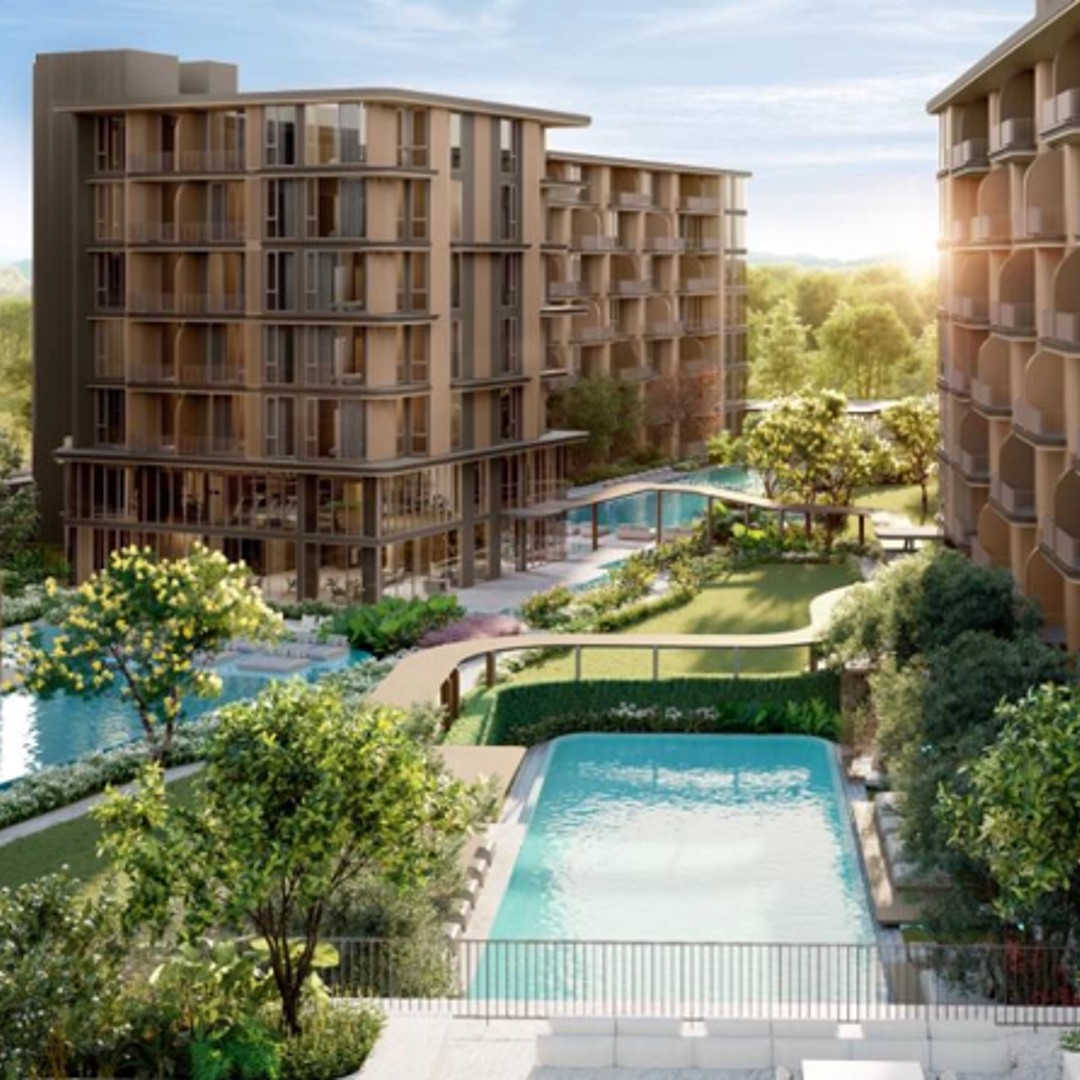
Explore the Phuket property market with CBRE's research, consulting and residential sales expertise. Gain insights for Phuket real estate investment and Phuket luxury real estate opportunities.
-
Article | Intelligent Investment
Sport Is No Longer Just an Amenity in Bangkok Real Estate
September 28, 2026

The growth of sport and active lifestyle in Thailand has been well documented in consumer trend reports over the past several years. What has received less attention is how consistently that trend is now showing up in real estate decisions across Bangkok.
-
Article | Intelligent Investment
Why Thailand's Industrial Real Estate Can't Keep Up with Its Own Ambitions
September 11, 2026

Barely a week goes by without a government announcement positioning Thailand as the next hub for data centers, semiconductor manufacturing or AI supply chain infrastructure.