Article | Adaptive Spaces
Repositioning Thai Retail Assets For An Experience-Led Market
March 25, 2026
We are seeing a clear shift in what drives footfall and loyalty. Customers are still spending, still socializing and still going out, but the “why” behind a visit has changed. Dining, leisure, wellness, services (such as banks, salons and tutoring centers), cultural programming and community-led experiences now play a much bigger role in where people choose to go and how long they stay. At the same time, competition is intensifying as new supply enters the market and consumers become more selective about where they spend their time and money.
For many existing assets, this shift has exposed a fundamental mismatch between current formats and new market expectations. The risk is not sudden failure, but a gradual loss of relevance. Retail formats designed for an earlier cycle, built around static anchors and transactional layouts, are finding it harder to attract modern brands and maintain consistent footfall. That is the experience gap in practical terms: the offer no longer matches what today’s consumers expect.
Closing that gap does not require full redevelopment in every case. But it does require clarity, discipline and a willingness to challenge long-held assumptions, beginning with the asset’s core identity.
Start With A Clear Answer To One Question: Who Is This Asset For?
The strongest repositioning projects begin with an honest definition of the asset’s role in its catchment. This is not about what owners want the asset to be, but what it can credibly become based on real movement patterns, demographics and behaviors.A community mall may be best positioned as a daily-needs and services destination, supported by food and beverage, family-oriented uses and convenience-driven tenants that generate repeat visits. A high-street cluster may unlock value through evening activation and a stronger lifestyle mix. A podium retail component may need to prioritize service-led brands that can drive regular traffic throughout the week, not just on weekends.
Without this clarity, capex becomes cosmetic. An asset may look refreshed, but it will continue to underperform if the underlying strategy remains tied to an outdated model. Once the direction is clear, the physical environment must be adapted to support it.
Design For Dwell Time, Flow and Comfort
Design is what turns strategy into behavior. In Thailand’s most resilient retail environments, the best-performing areas are often those that feel intuitive and comfortable rather than overly manufactured. Clear arrival points, easy circulation, good visibility, shaded or landscaped spaces, seating and thoughtfully planned common areas that feel authentic to the catchment all influence whether people choose to linger.Digital integration should support convenience, not act as a gimmick. In a market with high social media usage and strong mobile engagement, the goal should be to remove friction rather than add features for their own sake. The most effective approach connects the physical journey with practical touchpoints such as intuitive wayfinding, seamless tenant discovery and event programming, while also creating moments that feel naturally shareable.
Reinvest With Intent, Not Enthusiasm
In a more competitive environment, reinvestment needs to be tied to performance outcomes. Targeted upgrades such as façade improvements, lighting, signage, stronger F&B clustering, upgraded washrooms and improved circulation can deliver meaningful uplift when they align with the asset’s strategy.Operational upgrades matter just as much. Maintenance standards, comfort, cleanliness, energy performance and customer convenience are no longer background factors. They shape brand perception and repeat visitation. The goal is not to upgrade everything, but to upgrade the right things in the right sequence to improve leasing outcomes. In many cases, that also means looking beyond traditional shopfronts to find better uses for underutilized space.
Repurpose Underperforming Space To Unlock Value
Not every zone needs to remain traditional retail. Many assets still carry legacy space allocations, including the conventional 70:30 retail-to-F&B ratio, that no longer reflect how people use malls or high-street environments today. In the most resilient assets, we are seeing a shift toward more lifestyle-led allocations, where leisure and community spaces take up a much larger share of the floor plate than they did a decade ago.Underutilized rooftops can become dining or leisure areas. Quiet corridors can be repositioned as wellness or service zones. Low-performing wings can support workshops, pop-ups and collaborations with local brands. These uses create energy and differentiation without requiring a long-term commitment from every occupier.
Flexibility is becoming a competitive advantage. Assets that allow space allocation to flex rather than freeze are better positioned to respond as consumer preferences and tenant strategies evolve.
Operate Retail As A Living Ecosystem
Repositioning is not a one-time project. The most successful assets are managed as living ecosystems, with continuous improvement built into the operating model.This includes stronger monitoring of customer experience, better use of performance dashboards, regular tenant engagement and more active feedback loops to understand what is working in real time. It also includes embedding ESG practices in ways that support commercial outcomes, from energy efficiency and waste reduction to green leasing approaches that reduce operating costs and align with occupier expectations. Long-term resilience comes from agility. The most effective landlords move early to adjust their mix before the experience gap becomes a performance issue.
The Path Forward
Thailand remains a dynamic retail market, but the bar has risen. Assets anchored in older, static formats will face growing pressure as newer projects raise customer expectations and competition for brands intensifies.The landlords who succeed in the next cycle will be those who treat repositioning as a strategic decision, not a design exercise. A clear identity, targeted reinvestment, flexible space planning and strong operational discipline will define performance in 2026 and beyond.
The question is no longer whether retail spaces should evolve, but how quickly owners can make their assets relevant to the way people live, move and spend today.
This article is written by Jariya Thumtrongkitkul, PhD, Head of Retail Leasing and Group Transaction Management, CBRE Thailand.
Contacts
Jariya Thumtrongkitkul, PhD
Head of Retail Leasing and Group Transaction Management, Thailand

Latest Insights
-
Article | Intelligent Investment
CBRE Phuket: Property Research, Consulting and Residential Sales
October 1, 2026
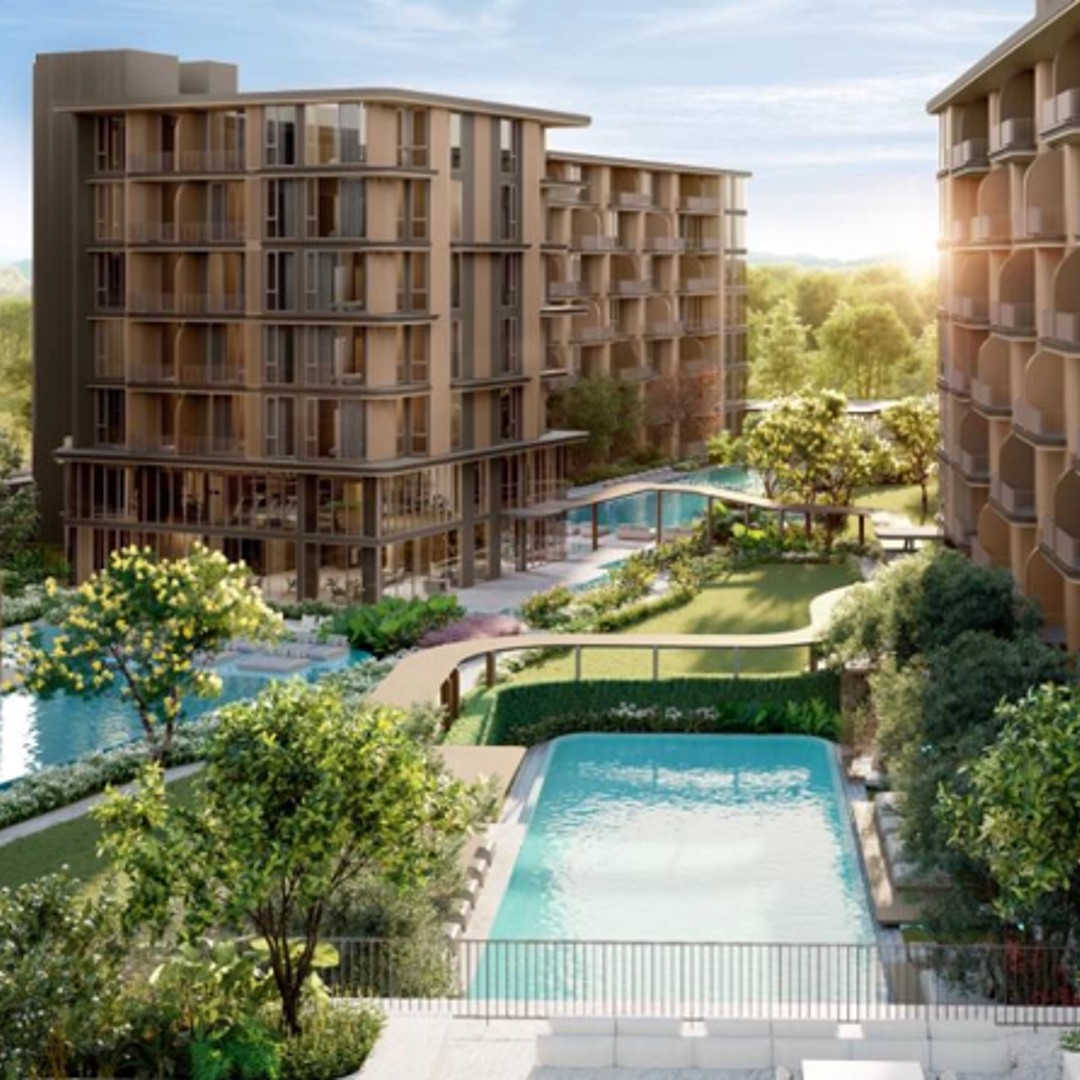
Explore the Phuket property market with CBRE's research, consulting and residential sales expertise. Gain insights for Phuket real estate investment and Phuket luxury real estate opportunities.
-
Article | Intelligent Investment
Sport Is No Longer Just an Amenity in Bangkok Real Estate
September 28, 2026

The growth of sport and active lifestyle in Thailand has been well documented in consumer trend reports over the past several years. What has received less attention is how consistently that trend is now showing up in real estate decisions across Bangkok.
-
Article | Intelligent Investment
Why Thailand's Industrial Real Estate Can't Keep Up with Its Own Ambitions
September 11, 2026
Barely a week goes by without a government announcement positioning Thailand as the next hub for data centers, semiconductor manufacturing or AI supply chain infrastructure.